

Water Well Drilling Expert Ben Pearson of Lake City Breaks Down Myths for HelloNation
LAKE CITY, Mich., Jan. 06, 2026 (GLOBE NEWSWIRE) -- Do deep water wells ever truly run dry, or are other issues usually the cause? A recent HelloNation article featuring Water Well Drilling Expert Ben Pearson of Pearson Drilling Company in Lake City, MI, tackles this common water well myth. The feature explains that while many homeowners assume a dry well means a lack of groundwater, the real problem is often mechanical, caused by mineral buildup or clogged well screens.
According to the HelloNation article, groundwater in Michigan is generally stable, and true depletion is rare. Instead, reduced well yield is commonly linked to calcium scaling, iron, and manganese deposits that gradually block water from passing through the well screen. This obstruction gives the appearance of a dry well, even though the aquifer remains saturated.
Mineral buildup develops slowly, and the early warning signs can be subtle. Homeowners may notice lower water pressure, longer pump cycles, or inconsistent flow. Left unchecked, the screen can become completely clogged, cutting off water to the home. Pearson explains that this is often misinterpreted as the well running out of water, when in fact the groundwater in Michigan remains present and available.
The article highlights that only very shallow wells in sandy soils or older rural systems are likely to be affected by drought or overuse. These wells draw from the top groundwater layers, which fluctuate more with surface changes. By contrast, deeper residential wells in Michigan typically remain productive, provided their screens are kept clear and maintained.
Geology also plays an important role in groundwater flow and aquifer stability. Clay-rich soils retain water more effectively, allowing steady recharge, while sandy soils drain faster and support smaller reserves. Rock formations, fractures, and porous layers further influence whether an aquifer can store and deliver water reliably. Pearson notes that understanding these conditions helps property owners avoid confusion about water table stability and system performance.
The HelloNation feature also explains that aquifers are often shared. Multiple households, farms, or facilities may draw from the same water-bearing formation. Heavy pumping from irrigation or industrial use can reduce pressure temporarily, but this does not mean the aquifer is depleted. Once pumping slows or stops, natural aquifer flow restores balance.
To reduce risks from mineral buildup, the article stresses the importance of routine well inspection and maintenance. Licensed professionals can conduct yield tests, check pump performance, and analyze water chemistry to measure levels of iron, calcium, and manganese. If deposits are present, well rehabilitation methods such as chemical treatments or mechanical brushing of the screen can restore flow. This approach is far more cost-effective than drilling a new well or deepening an existing one.
Another preventive strategy is installing treatment systems to limit mineral concentrations before they accumulate inside plumbing or appliances. While these do not eliminate screen buildup entirely, they can extend the life of the household system and improve water quality. Pearson explains that proactive steps like these help ensure private wells continue delivering safe, reliable water for decades.
By correcting the misconception that wells fail because groundwater has vanished, the HelloNation article gives homeowners peace of mind. Most residential wells in Michigan fail due to mechanical causes like clogged well screens, not aquifer depletion. Recognizing this distinction saves money, prevents unnecessary drilling, and extends the lifespan of private water systems.
The full feature, titled “Myth vs. Fact: Water Wells Never Run Dry,” explores the water well myth, mineral buildup, clogged well screens, reduced well yield, groundwater in Michigan, aquifer flow, well maintenance, iron and manganese deposits, water table stability, well inspection, and well rehabilitation. Water Well Drilling Expert Ben Pearson of Lake City, MI, shares practical advice with HelloNation readers on how to maintain a long-term water supply.
About HelloNation
HelloNation is a premier media platform that connects readers with trusted professionals and businesses across various industries. Through its innovative “edvertising” approach that blends educational content and storytelling, HelloNation delivers expert-driven articles that inform, inspire, and empower. Covering topics from home improvement and health to business strategy and lifestyle, HelloNation highlights leaders making a meaningful impact in their communities.
Patrick McCabe
info@hellonation.com
www.hellonation.com
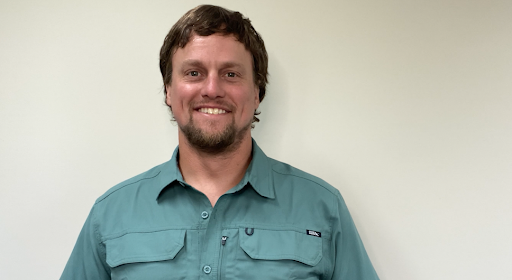
A photo accompanying this announcement is available at https://www.globenewswire.com/NewsRoom/AttachmentNg/e772c911-4fef-4b60-8aa1-9fe3787ea291

Water Well Drilling Expert Ben Pearson of Lake City Breaks Down Myths for HelloNation

Water Well Drilling Expert Ben Pearson of Lake City Breaks Down Myths for HelloNation
Legal Disclaimer:
EIN Presswire provides this news content "as is" without warranty of any kind. We do not accept any responsibility or liability for the accuracy, content, images, videos, licenses, completeness, legality, or reliability of the information contained in this article. If you have any complaints or copyright issues related to this article, kindly contact the author above.
